Drive State Route 155 along Banks Lake and the dam appears the way a weather system appears: first as a change in the scale of everything, then as a wall of concrete four thousand feet across that has been standing there since the 1930s and 1940s, pouring the Columbia through its turbines. Grand Coulee does not flaunt its numbers, but the numbers are the story. At 6,809 megawatts across three power plants, it remains the largest power station in the United States, and it is not close.
This entry is about how that station earns its keep through a wet season, and why the crew that watches it watches the mountains more than the powerhouse.
The biggest station you never notice
Grand Coulee Dam sits on the Columbia River in Grant County, built and operated by the Bureau of Reclamation. The power it generates is marketed across the Pacific Northwest by the Bonneville Power Administration, the federal agency whose transmission system moves most of the region's electricity. The arrangement matters for how you read the dam: Reclamation runs the structure and the water; BPA sells the output into a grid that stretches from the British Columbia border to southern Oregon.
The station's three power plants are not equal. The Third Power Plant, completed in the 1970s and 1980s, holds the largest units and can also run as pumped storage, pushing water back above the dam when the grid has surplus power and letting it down again when the grid is short. That second direction, the one where the dam consumes electricity to make electricity later, is what turns a very large generator into something closer to a battery the size of a county.
The dam also anchors the Columbia Basin Project, one of the largest irrigation undertakings in the country, watering farm country across central Washington. The same river serves farms, fish, and power. Any honest account of Grand Coulee has to hold all three at once, because the dam's operators never get to think about just one.
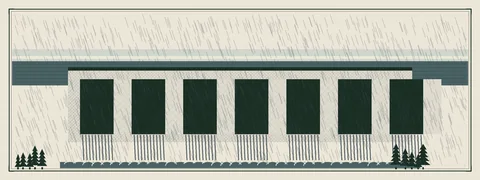
The ledger is kept in snow
Ask the grid managers what worries them about a hydro year and they will not start with turbines. They will start with snow. The mountains of the Columbia Basin work as a natural reservoir: snow accumulates through the winter, holds through the spring, and releases through early summer in a shape that can be forecast with some skill. The reading everyone waits for is the April 1 snow survey, widely treated as the single most predictive number in the state's energy year.
The shape of that release matters as much as its size. Runoff that arrives in June and July meets moderate demand and full reservoirs. A thin snow year changes the math everywhere at once: less water behind the dams by August, less room to maneuver, and the squeeze landing precisely when summer heat pushes air conditioning demand to its peak. The crew's rule for reading water-year coverage is simple: when a number comes from a survey, cite the survey; when it comes from a press release, say so; when it does not exist, say that instead.
The quiet hours
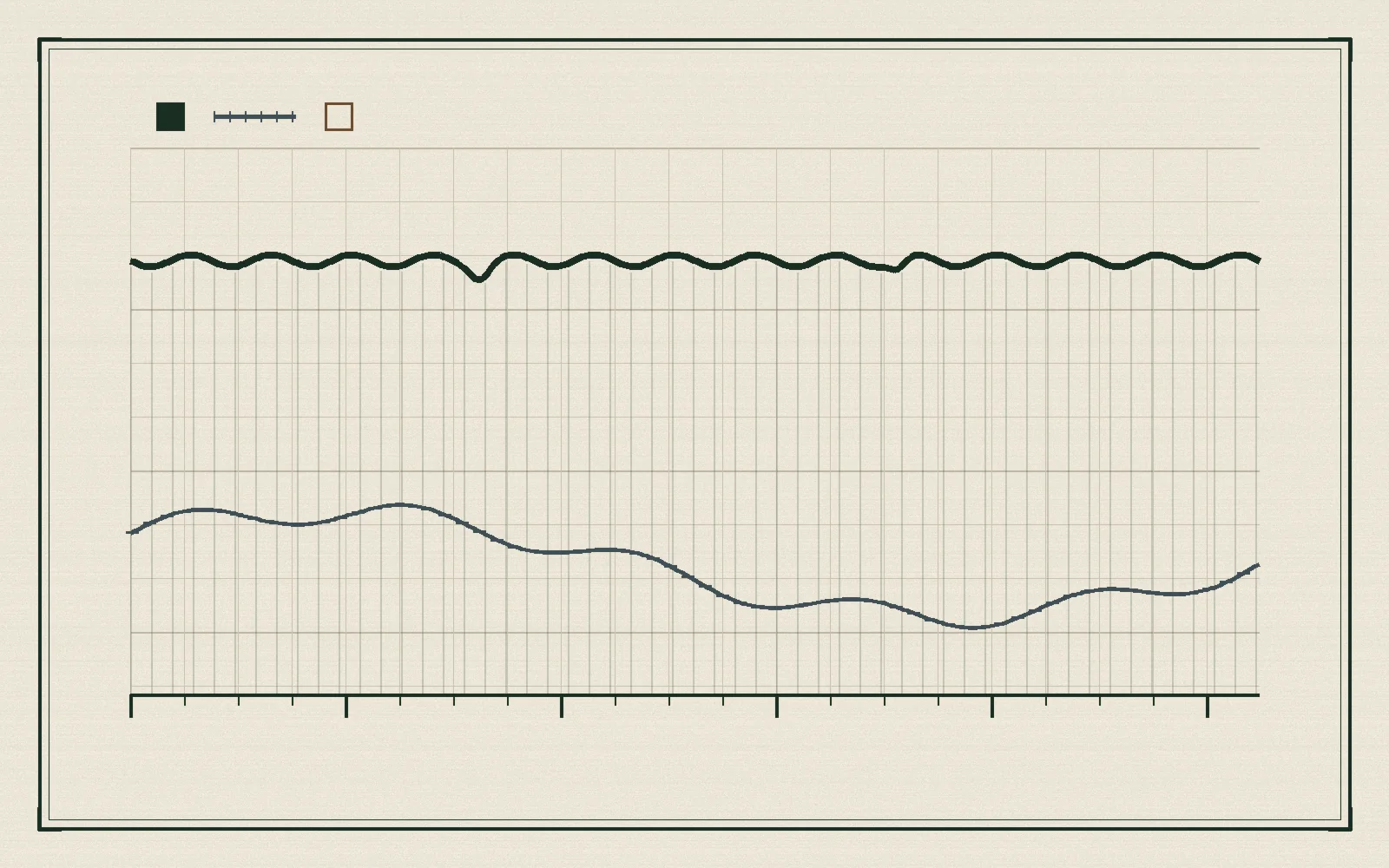
A hydro plant is not a solar farm or a wind farm. Its output is not at the mercy of the hour. When the grid calls, the units answer in minutes, and that is why the interesting moments at Grand Coulee are the ones that do not make the news: a cold January evening when homes, heat pumps, and the last lights of industry all draw at once, and the system needs flexible power exactly then, not on average.
Those hours are about to get more important. Washington's last coal-fired plant, the TransAlta units at Centralia, are scheduled to retire by the end of 2025. Coal exits leave an evening-sized hole in the region's supply, and the Northwest's plan for that hole leans heavily on exactly what Grand Coulee provides: hydro that can ramp, paired with whatever wind, solar, and storage get built to share the load. The pumped-storage mode of the Third Power Plant was built for a grid from another era; it turns out to be the right tool for this one too.
What the law asks
In 2019, Washington passed the Clean Energy Transformation Act, Senate Bill 5116, which set the schedule the state's utilities now work under: no coal-fired power by the end of 2025, 80 percent clean electricity by 2030, and 100 percent clean by 2045. A grid that must be fully clean by 2045 is a grid where the largest flexible clean resource in the region becomes more valuable each year, not less.
The act does not say hydro must do all the work, and it cannot. The entries that follow in this journal take up the other candidates on their own terms: floating solar on the state's deep, cold, publicly owned reservoirs, where the permitting questions are genuinely unsettled; and forestry-edge wind on the southwest slopes, where the state's clearest example, Skookumchuck Wind, has been running on working forest land in Thurston and Lewis counties since 2020. Each has a place. Neither replaces what a wet season on the Columbia already provides for free, which is stored energy, delivered by gravity, months after the snow fell.
What the crew watches next
The honest answer is the snow. This winter's accumulation decides next summer's flexibility, and no policy can legislate a water year. After that, the watch list is short and practical: how the BPA system operates through its first winters without Centralia coal, whether floating solar proposals on Washington reservoirs mature into real filings, and whether the forestry-edge wind model, roads and harvest cycles and all, expands beyond Skookumchuck. This journal will report each as it happens, dated, with the claims we could verify and the ones we could not.
Questions from readers
How big is Grand Coulee Dam?
Grand Coulee Dam is the largest power station in the United States, with 6,809 megawatts of capacity across three power plants on the Columbia River in Grant County, Washington. The Bureau of Reclamation built and operates the dam; the Bonneville Power Administration markets the power.
Why does the snowpack matter so much?
The Columbia Basin's hydroelectric output depends on mountain snowpack, which acts as a natural reservoir. The April 1 snow survey is widely treated as the most predictive single reading of the state's water year: deep snow means strong summer runoff, and a thin snow year squeezes hydro output exactly when summer demand peaks.
What is pumped storage?
Pumped storage moves water between two reservoirs, pumping uphill when power is plentiful and letting it back down through turbines when the grid needs power. Grand Coulee's Third Power Plant can operate in this mode, which lets the dam absorb surplus power and return it during the evening ramp.
What does Washington's clean energy law require?
The Clean Energy Transformation Act of 2019, Senate Bill 5116, sets a schedule for the state's utilities: no coal-fired power by the end of 2025, 80 percent clean electricity by 2030, and 100 percent clean by 2045.
Does Grand Coulee do anything besides generate power?
Yes. The dam anchors the Columbia Basin Project, one of the largest irrigation projects in the country, which waters farmland across central Washington. The same water serves farms, fish, and power, which is one reason the dam's operating decisions are never only about electricity.
Where this entry reads
- U.S. Bureau of Reclamation, Grand Coulee Dam project pages and power plant descriptions.
- Bonneville Power Administration, bpa.gov, wholesale power marketing and transmission system overviews.
- Washington State Legislature, Senate Bill 5116 (2019), the Clean Energy Transformation Act.
- Washington State Department of Commerce, Clean Energy Transformation Act implementation materials.
- Natural Resources Conservation Service, Washington snow survey and water supply reports.
- TransAlta, public statements on the Centralia generating station retirement schedule.
- Southern Power, Skookumchuck Wind facility materials.